
The Best Plants for the Bedroom
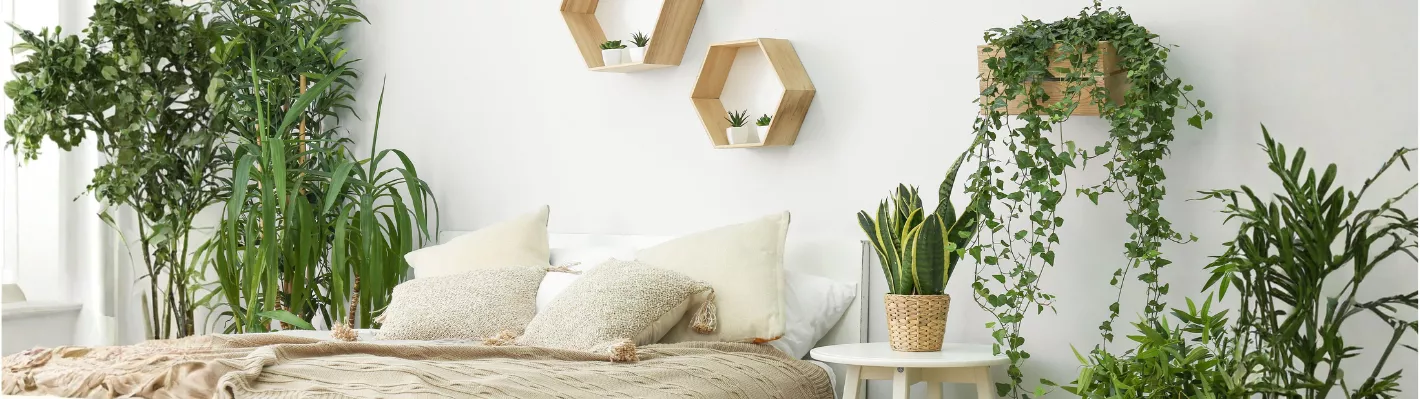
Bringing a little greenery into the bedroom can be an easy way to make the space feel calmer, fresher and more inviting. From elegant snake plants to compact peace lilies, the right houseplant can add colour and character without taking up much room.
But choosing a bedroom plant is about more than simply finding something that looks good. Light levels, watering requirements, humidity, maintenance and even allergies can all influence whether a plant is a good fit for your sleeping space.
In this guide, we look at some of the best plants for bedrooms, how to care for them and what to consider before turning your sleep space into a small indoor garden.
Are Plants Good for the Bedroom?
Houseplants can make a bedroom feel more connected to nature and can contribute to a pleasant indoor environment. They can also soften hard furniture, add visual interest and create a more relaxing atmosphere.
However, it is worth keeping expectations realistic. While plants are often marketed as natural air purifiers or sleep aids, a few bedroom plants are unlikely to transform indoor air quality or directly improve sleep on their own. Good ventilation, comfortable temperature, suitable humidity and a supportive mattress are still much more important factors when creating a good sleep environment.
1. Snake Plant
Snake plants, also known as Dracaena trifasciata, are among the easiest houseplants to care for. Their upright leaves make them particularly useful in bedrooms where floor space is limited.
They can tolerate a range of indoor light conditions, although brighter indirect light is generally preferable for healthy growth. They also tend to prefer being allowed to dry out between waterings, making them a useful choice for anyone who occasionally forgets to water their plants.
Best for:
Low-maintenance bedrooms, limited floor space and people who prefer a plant that does not require frequent watering.
2. Spider Plant
Spider plants are popular indoor plants with long, arching leaves and a relatively forgiving nature. They can work particularly well on shelves, bedside units or taller furniture where their foliage can cascade downwards.
They generally prefer bright, indirect light but can tolerate lower-light conditions. Allow the soil to dry somewhat between waterings, while avoiding leaving the roots sitting in excess water.
Best for:
Shelves, bedside storage and bedrooms that need a little greenery without a large floor plant.
3. Peace Lily
Peace lilies are known for their dark green leaves and distinctive white flowers. They can bring a softer, more decorative look to a bedroom and are particularly attractive when you want a plant that adds both foliage and flowers.
Peace lilies generally prefer bright, indirect light and evenly moist soil. They can droop noticeably when they need water, although it is better not to allow the plant to repeatedly become severely dry.
Important If You Have Pets
Peace lilies are not considered pet-safe. If you have cats or dogs that may chew plants, choose species known to be suitable for your household instead and keep potentially toxic plants well out of reach.
4. Aloe Vera
Aloe vera is a compact succulent that can work well on a sunny windowsill. Its thick leaves store water, meaning it generally prefers less frequent watering than many leafy houseplants.
Aloe vera needs plenty of bright light, so it is better suited to a naturally bright bedroom than a dark corner. Use a free-draining potting mix and make sure excess water can escape from the container.
Best for:
Bright bedrooms, sunny windowsills and anyone who prefers a compact plant that requires relatively little watering.
5. Lavender
Lavender is best known for its distinctive fragrance and purple flowers. A healthy lavender plant can add a natural, decorative touch to a bedroom, particularly when positioned close to a bright window.
Indoor lavender needs plenty of sunlight and good airflow. It also prefers relatively dry conditions between waterings, so avoid placing it in a consistently damp or poorly ventilated corner.
If you enjoy fragrance in the bedroom, lavender can be appealing, but remember that strong scents are not relaxing for everyone. If you find fragrances distracting or irritating, a non-fragrant plant may be a better option.
6. Rubber Plant
Rubber plants can make a striking addition to a larger bedroom. Their broad, glossy leaves provide plenty of visual impact, while their upright growth can help fill an otherwise empty corner.
They generally prefer bright, indirect light and should not be left sitting in water. Because rubber plants can become quite large, consider their eventual size before placing one next to your bed or in a narrow walkway.
Choosing a Plant for Your Bedroom
The best bedroom plant is not necessarily the one with the most impressive list of supposed benefits. It is the one that suits your room and your ability to care for it.
Consider the Light
Look at how much natural light your bedroom receives throughout the day. A sunny south-facing window will suit very different plants from a shaded bedroom with only limited daylight.
Think About Space
Keep plants away from areas where they could be knocked over during the night. Small plants can work well on shelves or window ledges, while larger specimens are better positioned in a stable corner with plenty of clearance.
Check Your Routine
If you travel regularly or simply do not want another daily task, choose a plant that tolerates occasional missed watering. A plant that requires constant attention may become more of a chore than a relaxing addition to the room.
Think About Pets
If cats, dogs or other animals can access your bedroom, check whether a plant is considered toxic before bringing it home. Pet-safe choices can help you enjoy indoor greenery without introducing an unnecessary hazard.
Do Bedroom Plants Improve Air Quality?
You may have heard that certain houseplants can remove pollutants from indoor air. While plants can interact with the air around them, the controlled environments used in some plant research do not necessarily reflect how effectively a few ordinary houseplants clean the air in a real bedroom.
For everyday indoor air quality, good ventilation and controlling sources of pollution are much more important. Open windows when appropriate, keep the room clean and avoid allowing excessive humidity to build up.
Plants can still be a valuable part of your bedroom environment — just think of them primarily as decorative and enjoyable additions rather than an air-purification system.
Can Plants Affect Allergies?
If you suffer from allergies, asthma or sensitivities to mould, your choice of houseplant deserves a little extra consideration. Plants themselves may not be the only issue; damp soil can support mould growth, while dust can accumulate on leaves if they are not cleaned regularly.
Avoid consistently overwatering plants and use suitable containers with drainage holes. Wipe broad leaves occasionally to prevent dust building up, and remove dead or decaying plant material promptly.
If plants appear to make your symptoms worse, move them out of the bedroom and see whether the situation improves. For persistent or significant allergy symptoms, speak to an appropriate healthcare professional.
How to Keep Bedroom Plants Healthy
Healthy plants are much easier to enjoy than struggling ones. A few simple habits can keep your bedroom greenery looking its best:
- Choose a plant that matches the amount of natural light available.
- Use pots with drainage holes wherever appropriate.
- Avoid watering on a rigid schedule if the plant's soil does not need it.
- Remove dead leaves and flowers regularly.
- Check plants occasionally for pests.
- Clean dusty leaves gently where the plant allows it.
- Do not allow standing water to remain around pots or trays.
Don't Overcrowd Your Sleep Space
A bedroom does not need to become a jungle to benefit from greenery. Too many plants, large pots and crowded surfaces can make cleaning more difficult and may interfere with ventilation or your normal use of the room.
Creating a Calmer Bedroom
Plants are only one part of creating a bedroom that feels comfortable at bedtime. A clutter-free layout, suitable lighting and a comfortable mattress can all contribute to making the room feel more restful.
Temperature is another important consideration. If you tend to sleep warm, choosing breathable bedding and a mattress designed with airflow and temperature regulation in mind may be more useful for your sleep than adding another plant.
You can explore our cooling mattresses if temperature is one of your main concerns, or read our cooling mattress buying guide for more information.
A bedroom should feel comfortable first. Plants can add the finishing touch — bringing colour, texture and a little connection to nature.
Frequently Asked Questions
What is the best plant for a bedroom?
Snake plants, spider plants and other relatively low-maintenance houseplants can work well in bedrooms. The best choice depends on your available light, space, watering routine and whether you have pets.
Are snake plants good for bedrooms?
Snake plants can be a practical bedroom choice because they are relatively easy to care for and can tolerate a range of indoor conditions. They still need appropriate light and watering to remain healthy.
Do plants help you sleep?
Plants can contribute to a bedroom that feels pleasant and relaxing, but there is not good reason to expect a few houseplants to directly solve sleep problems. A comfortable mattress, suitable bedroom temperature, regular sleep routine and good sleep habits are more important foundations.
Should I put plants next to my bed?
You can, provided the plant and pot are secure and the location does not interfere with getting in and out of bed. Avoid placing unstable or heavy pots somewhere they could easily fall onto the bed.
Can bedroom plants cause allergies?
Plants can potentially contribute to problems for people who are sensitive to mould, dust or particular plant materials. Overwatering can encourage damp conditions, so good plant care and ventilation are important. If a plant appears to trigger symptoms, consider moving it elsewhere.
Are all bedroom plants safe for pets?
No. Some common houseplants can be harmful if cats or dogs chew or ingest them. Always check the specific plant's safety before bringing it into a pet-accessible bedroom.
The Bed Post
Sleep well. Wake well. Live well.