
How a Mattress Topper Improves Sleep: Comfort, Support & a Better Night's Rest
Updated 10th September 2026
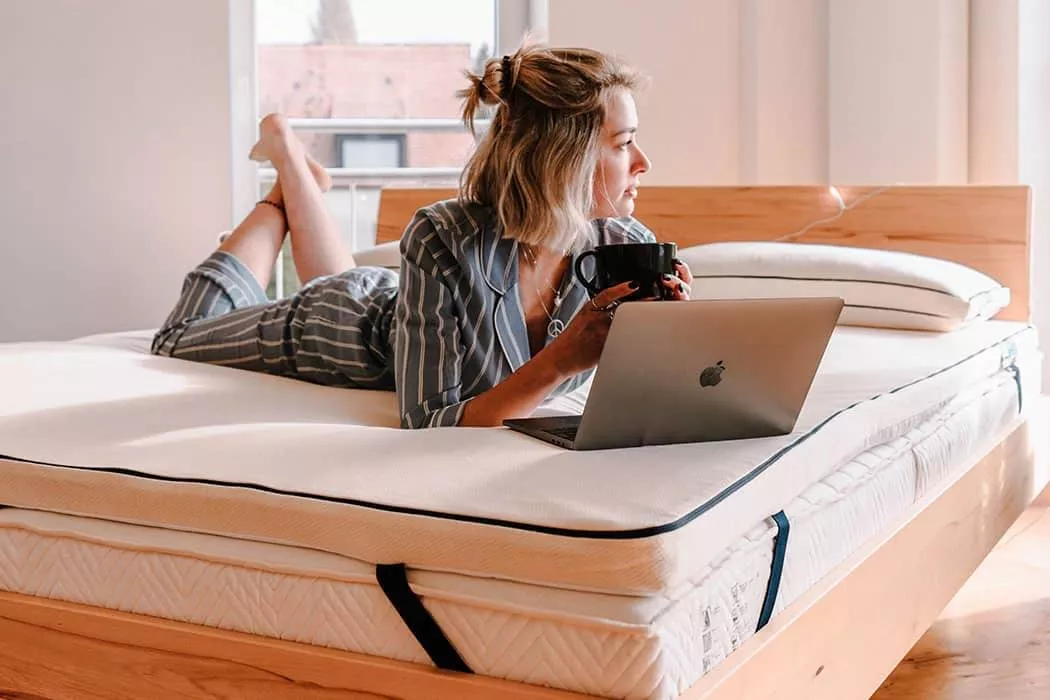
Sometimes, improving your sleep doesn't mean replacing the entire bed. A mattress topper can be a simple way to change the feel of your mattress and create a more comfortable sleeping surface.
Whether your mattress feels slightly too firm, lacks a little cushioning or simply isn't as comfortable as you'd like, the right topper can add another layer between you and the mattress beneath you.
A topper isn't designed to transform every mattress into a perfect one, but it can make a noticeable difference when the underlying mattress is still in reasonably good condition and simply needs a little adjustment.
“A mattress topper can change the feel of your bed without changing the mattress underneath it.”
So, what does a mattress topper actually do?
A mattress topper is an additional layer placed on top of your existing mattress. Depending on the material and thickness, it can alter the comfort, cushioning and overall feel of the bed.
Some toppers are designed to add softness, while others provide a little more responsive support. Memory foam toppers, for example, can create a more moulding feel, while other materials can provide a lighter and more buoyant sleeping surface.
The important thing to remember is that a topper changes the surface feel of your mattress. It doesn't replace the support system underneath.
That makes a topper particularly useful when your mattress is fundamentally suitable but doesn't feel quite right at the surface.
Think of a mattress topper as the finishing layer.
It can adjust the way your mattress feels, adding cushioning or changing the surface response without replacing the main support structure underneath.
How can a mattress topper improve sleep?
Sleep quality is influenced by many things, from your bedroom temperature and routine to your mattress, pillow and sleeping position. Comfort is an important part of that picture.
If your mattress is uncomfortable, you may spend more time shifting position or trying to find a comfortable place to settle. Adding an appropriate topper can create a more accommodating surface and may make it easier to relax at bedtime.
The benefits will vary from person to person, but there are several reasons why sleepers choose to add a topper to their bed.
Extra cushioning
One of the most obvious benefits is additional cushioning. If your mattress feels a little firmer than you would prefer, a topper can introduce another comfort layer between your body and the mattress.
This can be particularly appealing if you enjoy a softer, more cushioned sleeping surface without wanting to replace the mattress itself.
A different surface feel
A topper can also change the character of your mattress. Memory foam can provide a closer, more contouring sensation, while other topper materials may feel more responsive.
This means that choosing a topper isn't simply about thickness. The material has a major influence on how the finished bed feels.
Added comfort around pressure points
Some sleepers prefer a mattress surface that provides more cushioning around areas such as the shoulders and hips. A suitable topper can add an extra layer of comfort in these areas.
This can be particularly relevant for side sleepers, who often look for enough surface cushioning to feel comfortable around the wider parts of the body.
Can a mattress topper make a firm mattress softer?
Yes, this is one of the most common reasons people buy a mattress topper.
If your mattress is structurally sound but feels firmer than you would like, adding a softer comfort layer can make the sleeping surface feel more forgiving.
However, the result depends on the topper itself. A thin topper may create only a subtle change, while a thicker or more cushioning design can produce a more noticeable difference.
It's also worth remembering that a topper won't fundamentally change the support characteristics of the mattress underneath. If the mattress has lost its support, has significant sagging or is nearing the end of its useful life, replacing it may be a better long-term solution.
Mattress toppers and sleeping position
Your preferred sleeping position can help determine the type of topper that feels most comfortable. There isn't one topper that suits everyone, so think about where you need additional cushioning and how you like your mattress to feel.
Side sleepers
Side sleepers often appreciate additional cushioning around the shoulders and hips. A suitable topper can create a softer, more accommodating surface and may help the mattress feel less firm underneath these areas.
If you're predominantly a side sleeper, our Side Sleeper Mattress Buying Guide is a useful next read.
Back sleepers
Back sleepers often prefer a balance between cushioning and support. A topper can add comfort to the surface, but it's important not to choose one that makes the bed feel excessively soft if you prefer a more supportive sensation.
You can explore our Back Sleeper Mattress Buying Guide for more ideas.
Front sleepers
Front sleepers may prefer a flatter and more responsive surface rather than a deeply cushioning feel. A topper can still be useful, but consider how much additional softness you actually want.
Our Front Sleeper Mattress Buying Guide covers the subject in more detail.
Can a mattress topper help with pressure relief?
A topper can provide an additional cushioning layer, which may make the sleeping surface feel more comfortable around areas that experience greater contact with the mattress.
Memory foam is particularly well known for its contouring characteristics. It responds to body weight and can create a closer-fitting surface, which some sleepers find comfortable.
Other materials can provide a different type of cushioning, so the choice comes down to the feel you prefer.
It's important not to view a topper as a medical solution, however. If you have persistent pain or discomfort during sleep, it's sensible to seek appropriate professional advice rather than relying on a mattress accessory alone.
“The right topper doesn't need to completely change your mattress. Sometimes a small change in comfort is all you need.”
Memory foam mattress toppers
Memory foam is one of the best-known materials used in mattress toppers. Its appeal comes from the way it responds to body weight and creates a contouring surface.
For sleepers who enjoy a more enveloping feel, a memory foam topper can make an existing mattress feel noticeably different.
Memory foam can also be useful when you want to introduce cushioning without replacing the entire mattress.
However, memory foam isn't for everyone. Some people prefer a more responsive surface and may find the closer-fitting feel less appealing. If you're sensitive to heat, it's also worth considering the construction and breathable features of the particular topper you choose.
Does a mattress topper keep you cooler?
Not necessarily. In fact, some topper materials can retain more warmth than others.
Memory foam, for example, has a more contouring structure that can feel warmer to some sleepers. Modern designs may incorporate breathable covers or cooling-focused materials to help with temperature management.
If you regularly feel too warm during the night, consider the topper material, cover fabric and ventilation alongside the mattress itself.
You can also explore our Cooling Mattresses and Cooling Mattress Buying Guide for more information about sleeping temperature.
Can a mattress topper extend the life of a mattress?
A topper can provide an additional comfort layer over your mattress, which may help protect the mattress surface from some everyday wear.
It shouldn't, however, be viewed as a way to permanently extend the life of a mattress that is already worn out.
If your mattress is sagging, damaged or no longer providing the support you need, a topper may disguise some of the surface discomfort temporarily, but it cannot repair the underlying structure.
For a mattress that is still in good condition but simply feels slightly different from what you'd like, a topper can be a much more practical solution.
A mattress topper is most useful when you like your mattress overall but want to fine-tune the comfort of the sleeping surface.
How thick should a mattress topper be?
There isn't one ideal thickness for every sleeper. The right choice depends on how much you want to alter the feel of your mattress and the type of material being used.
A thinner topper may provide a subtle adjustment, while a thicker topper can have a more noticeable effect on cushioning and surface feel.
Don't assume that thicker automatically means better. A very thick topper may alter the feel more than you intended and can also increase the overall height of your bed.
Think about the change you actually want to make before choosing the thickness. If your mattress is only slightly too firm, a modest comfort layer may be enough.
What should you check before buying a mattress topper?
A topper may seem like a simple purchase, but there are a few practical details worth considering.
Check the size
Choose a topper that matches the dimensions of your mattress. A correctly sized topper should sit neatly across the sleeping surface without leaving large gaps around the edges.
Consider the material
Think about the feel you prefer. Memory foam tends to provide a contouring sensation, while other materials may feel more responsive or buoyant.
Think about thickness
The thickness will influence how dramatically the topper changes the feel of your bed. Consider whether you want a subtle adjustment or a more substantial comfort layer.
Check the cover
A removable, washable cover can make the topper easier to keep fresh. If temperature is important to you, also look for information about breathability and the materials used.
Consider your existing bedding
Adding a topper increases the height of your sleeping surface. Check that your fitted sheets have enough depth to accommodate both the mattress and topper.
If you are unsure about your bed dimensions, our Bed Size Guide can help.
Mattress topper or new mattress?
This is perhaps the most important question to ask before buying one.
If your mattress is comfortable and supportive but you would like a softer or more cushioned surface, a topper can be an excellent option.
If the mattress is sagging, has visible damage, has lost its support or is simply no longer suitable for you, replacing it is likely to make more sense.
A topper can modify the comfort layer. It cannot restore a worn-out support system.
The decision therefore comes down to what is actually wrong with your current bed. If the problem is surface comfort, a topper may be all you need. If the underlying mattress is the problem, it may be time to look at a replacement.
The final thought
Good sleep starts with feeling comfortable enough to settle down and stay comfortable throughout the night. While a mattress topper isn't a magic solution, it can be a surprisingly effective way to fine-tune the feel of your bed.
It can add cushioning, change the surface response and make a mattress that feels slightly too firm more comfortable. For some sleepers, that relatively small adjustment can make the bed feel much more inviting at bedtime.
The key is choosing the right topper for your mattress, sleeping position and personal preferences. Think about the material, thickness, temperature and overall feel rather than simply choosing the thickest option available.
And remember: a topper works best when the mattress underneath is already in good condition. If your mattress provides the right support but needs a little extra comfort, a topper could be exactly the finishing touch your bed needs.
Frequently asked questions
Can a mattress topper improve sleep?
A mattress topper can improve comfort by adding another layer of cushioning or changing the surface feel of your existing mattress. Whether this improves sleep depends on your individual preferences and the condition of your mattress.
Will a mattress topper make a firm mattress softer?
Yes. A suitable topper can add cushioning and make a firm mattress feel softer. The amount of change depends on the topper's material and thickness.
Are mattress toppers good for side sleepers?
They can be. Side sleepers often appreciate additional cushioning around the shoulders and hips, so a suitable topper may make the sleeping surface feel more comfortable.
Do mattress toppers help with pressure relief?
A topper can provide additional cushioning and may make certain areas of the body feel more comfortably supported by the sleeping surface. The effect varies depending on the topper and the sleeper.
Is memory foam good for a mattress topper?
Memory foam is a popular topper material because it provides a contouring, moulding feel. However, some sleepers prefer a more responsive surface, so the best material depends on personal preference.
How thick should a mattress topper be?
There is no single ideal thickness. A thinner topper can make a subtle difference, while a thicker design can create a more noticeable change in cushioning and surface feel.
Can a mattress topper replace a mattress?
A topper can improve the comfort of a mattress that is still in good condition, but it cannot repair a mattress that is sagging, damaged or no longer providing adequate support.
Does a mattress topper make the bed higher?
Yes. Adding a topper increases the overall height of the sleeping surface. You may therefore need to check that your fitted sheets are deep enough to accommodate the mattress and topper together.
More from Mattress365
The Bed Post
Sleep well. Wake well. Live well.