
Why Do We Wake Up at 3am? Common Causes of Middle-of-the-Night Waking
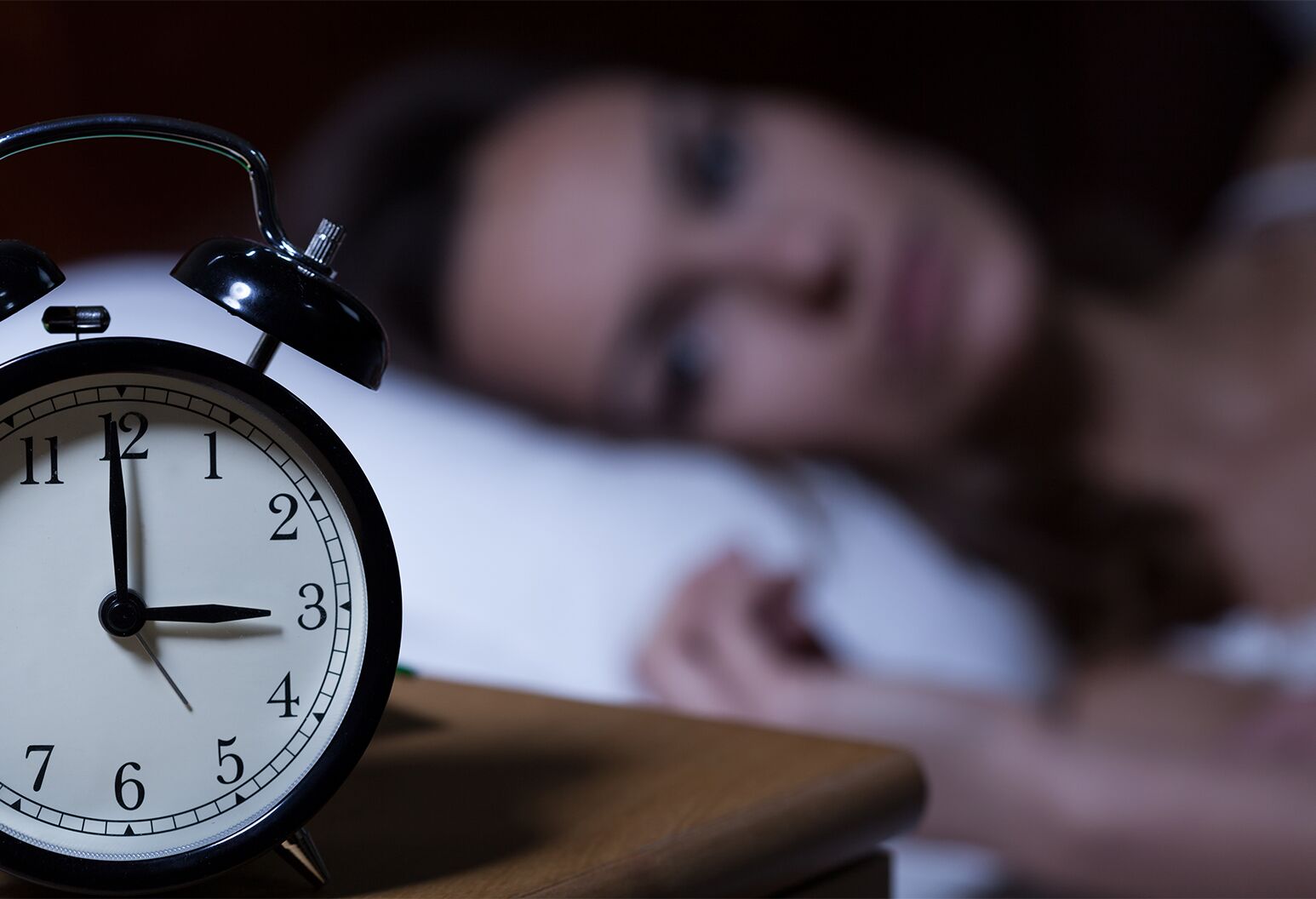
Waking up in the middle of the night is something many people experience from time to time. But when you regularly find yourself opening your eyes at around 3am and wondering why you are awake, it can become frustrating - especially when you start worrying about how much sleep you have left.
There is not one single explanation for waking at 3am. Your sleep naturally moves through different stages during the night, and brief awakenings can happen between sleep cycles. However, repeated or prolonged waking can also be linked to your sleep environment, daily habits, stress, temperature, caffeine, alcohol and other factors.
The good news is that identifying the likely cause can make it easier to improve your sleep routine and create a bedroom environment that supports more restful nights.
Is Waking Up at 3am Actually Normal?
Yes. Brief awakenings during the night can be completely normal. Sleep is not always one continuous, uninterrupted period, and you may briefly become aware of your surroundings before falling asleep again.
The bigger issue is what happens next. If you turn over, settle back down and barely remember the awakening in the morning, it may not be something to worry about. If you are awake for long periods or it happens frequently enough to leave you tired during the day, it is worth looking at what might be contributing.
1. Your Natural Sleep Cycles
Sleep consists of repeating cycles that move through different stages. As the night progresses, the amount of deep sleep generally decreases while periods of lighter sleep and REM sleep become more prominent.
Because you spend more time in lighter stages later in the night, you may be more likely to notice an awakening in the early morning hours. This does not necessarily mean something is wrong with your sleep.
If you can fall back asleep relatively quickly, there may be little reason to focus on the exact time you woke up.
2. Stress and an Overactive Mind
Stress is one of the most common reasons people struggle to get back to sleep after waking. You might wake up and immediately start thinking about work, finances, relationships, tomorrow's plans or something that happened during the day.
Once your mind becomes active, falling back asleep can become much harder. Watching the clock can make this even more frustrating because you become increasingly focused on how little time remains before morning.
A consistent wind-down routine can help create a clearer transition between daytime activity and bedtime. Writing down tomorrow's tasks before going to bed may also help if you tend to mentally rehearse your to-do list at night.
3. Your Bedroom Is Too Warm
Temperature can have a noticeable effect on sleep comfort. If your bedroom becomes too warm during the night, you may wake feeling uncomfortable, sweaty or restless.
Bedding also matters. Thick duvets, heavy sleepwear and mattresses or bedding that do not suit your personal temperature preferences can contribute to overheating.
Try keeping the bedroom comfortably cool and choose bedding that suits the season. If temperature is a recurring problem, our Cooling Mattress Buying Guide has more information on choosing a mattress with temperature comfort in mind.
4. Caffeine Earlier in the Day
Caffeine can remain in the body for several hours. Depending on the amount consumed and individual sensitivity, coffee, tea, energy drinks, cola and other caffeinated products can affect sleep even when consumed well before bedtime.
If you regularly wake during the night, consider looking at when you have your last caffeinated drink rather than focusing only on what you consume immediately before bed.
You do not necessarily need to eliminate caffeine completely. Instead, try moving your final caffeinated drink earlier and see whether your sleep changes over several nights.
5. Alcohol Before Bed
Alcohol can make you feel sleepy initially, which can make it seem like it helps with bedtime. However, it can also alter sleep and contribute to waking later in the night.
If you notice a pattern of falling asleep easily but waking after a few hours, consider whether alcohol is part of the pattern. Reducing alcohol or leaving more time between drinking and bedtime may help you understand whether it is contributing.
For more detail, read our guide on how alcohol affects your sleep.
Do not let the clock become the focus
If you wake at 3am, repeatedly checking the time can increase frustration and make it harder to relax. If possible, keep the clock out of your direct line of sight and focus on resting rather than calculating how many hours remain.
6. You Need to Use the Bathroom
Needing to urinate can wake you during the night, particularly if you drink a lot of fluid in the hours before bed.
Try to stay adequately hydrated during the day while avoiding large amounts of fluid immediately before bedtime. Alcohol and caffeine can also influence how often you need to urinate.
If you regularly wake multiple times a night to use the bathroom, particularly if this is a new or persistent change, consider discussing it with a healthcare professional.
7. Noise or Light Is Disturbing You
A bedroom may feel quiet when you go to bed but become noisier later at night. Traffic, neighbours, heating systems, household activity, pets or sudden sounds can cause you to wake.
Light can have a similar effect. Street lighting, early morning sunlight, electronic displays and hallway lights can all change the bedroom environment while you are trying to sleep.
Blackout curtains, suitable blinds, eye masks and simple changes to your bedroom can help reduce unwanted light. If noise is the issue, our guide on making your bedroom quieter for better sleep covers practical ways to create a calmer space.
8. Your Mattress or Bedding Is Uncomfortable
Sometimes the simplest explanation is physical discomfort. A mattress that no longer feels supportive, bedding that makes you too warm or a pillow that does not suit your sleeping position can make it easier to wake and harder to settle again.
Pay attention to what you notice when you wake. Are your hips or shoulders uncomfortable? Are you too hot? Do you keep changing position? Does your partner's movement wake you?
These details can help you work out whether your sleep environment is contributing to the problem.
If your mattress is several years old or showing visible signs of wear, it may be worth reviewing whether it still provides the comfort and support you need. Our Mattress Care Guide can also help you get the most from your existing mattress.
9. Your Sleep Schedule Is Inconsistent
Going to bed and waking at very different times from one day to the next can make it harder for your body to establish a predictable sleep pattern.
A consistent wake time is often a useful starting point. Try to keep it reasonably similar from day to day, including at weekends, while allowing enough time for sleep.
If your sleep schedule has drifted significantly, make changes gradually rather than trying to force a dramatic change overnight. For more guidance, see our article on how to reset your body clock.
What Should You Do When You Wake Up at 3am?
The instinct may be to reach for your phone, check the time or start worrying about the next day. Instead, try to keep things as low-key as possible.
- Avoid repeatedly checking the clock.
- Keep lights low if you need to get up.
- Avoid scrolling through your phone.
- Try slow, comfortable breathing and allow yourself to relax.
- If you remain wide awake and frustrated, consider getting out of bed briefly and doing something quiet in dim light before returning when you feel sleepy.
The key is to avoid turning a brief awakening into a fully active period. Keep your surroundings quiet, dark and comfortable.
When Should You Look More Closely at Night-Time Waking?
Occasional waking is generally not unusual. However, persistent sleep disruption deserves more attention, particularly if it is affecting how you feel during the day.
Speak with a GP or another appropriate healthcare professional if you regularly struggle to sleep, frequently wake and cannot return to sleep, or experience significant daytime tiredness. It is also worth seeking advice if your sleep problems are accompanied by symptoms such as loud snoring, gasping or choking during sleep.
Keeping a simple sleep diary can be useful before seeking advice. Record your approximate bedtime, wake time, nighttime awakenings, caffeine and alcohol intake and anything unusual about your evening. Patterns may become easier to spot over several days.
A simple 3am reset
If you wake during the night, do not assume that the exact time means something is wrong. Focus instead on the conditions around the awakening: your temperature, comfort, stress levels, evening habits, noise and light. Those clues are often more useful than the clock itself.
A Better Night-Time Routine
If middle-of-the-night waking has become a pattern, look at the whole evening rather than searching for one magic solution.
Start winding down before bed, keep caffeine earlier in the day, be mindful of alcohol, avoid going to bed uncomfortably full or thirsty, and make your bedroom dark, quiet and comfortable.
Your mattress and bedding are part of that environment too. The right combination of support, pressure comfort and temperature can help you feel more settled when you get into bed.
If you are comparing different mattress types, our Hybrid Mattress Guide explains some of the key features to consider.
Middle-of-the-night waking checklist
- Keep your bedroom comfortably cool
- Reduce unwanted noise and light
- Avoid checking the clock repeatedly
- Keep phones and notifications under control
- Review your caffeine timing
- Be mindful of alcohol before bed
- Avoid drinking large amounts immediately before bedtime
- Check whether your mattress and pillow remain comfortable
- Keep your wake time reasonably consistent
- Seek professional advice if persistent waking is affecting your daily life
Final Thoughts
Waking up at 3am does not automatically mean that something is wrong. Your sleep naturally changes throughout the night, and brief awakenings can happen.
If you are regularly waking and struggling to get back to sleep, however, it is worth looking at the bigger picture. Stress, temperature, caffeine, alcohol, bathroom trips, noise, light, an inconsistent schedule and an uncomfortable sleep setup can all play a role.
Instead of becoming fixated on the clock, look for patterns. Small changes to your evening routine and bedroom environment may help you create the conditions for more settled sleep.
If you keep waking at 3am, look beyond the clock and start with the habits and environment around your sleep.
Frequently Asked Questions
Why do I keep waking up at 3am?
There can be several reasons. Natural changes in sleep stages, stress, temperature, caffeine, alcohol, noise, light, an inconsistent sleep schedule and physical discomfort can all contribute to nighttime waking.
Is waking up at 3am a sign of poor sleep?
Not necessarily. Brief awakenings are a normal part of sleep for many people. The more important consideration is whether you regularly remain awake for long periods or feel tired and unrefreshed during the day.
How can I get back to sleep after waking at 3am?
Keep the room dark and quiet, avoid checking your phone or repeatedly watching the clock, and try to stay relaxed. If you remain wide awake and frustrated, briefly getting up and doing something quiet in dim light before returning to bed may be helpful.
Can caffeine cause me to wake up during the night?
Caffeine can remain active in the body for several hours and may affect sleep differently from person to person. If you regularly wake during the night, experimenting with an earlier caffeine cut-off may help identify whether it is contributing.
Can my mattress cause me to wake during the night?
An uncomfortable mattress may contribute to restlessness or make it harder to settle after waking. If you regularly notice pressure, discomfort, overheating or movement from a partner, it may be worth reviewing whether your mattress and bedding still suit your needs.
When should I speak to a doctor about waking during the night?
Consider speaking with a GP if nighttime waking is persistent, is affecting your daytime functioning or is accompanied by symptoms such as loud snoring, gasping or choking during sleep.
More from Mattress365
The Bed Post
Sleep well. Wake well. Live well.