
Why Is My Bed Frame Wobbly After Assembly?
A wobbly bed frame is usually caused by loose fixings, uneven positioning, incorrectly fitted components or a frame that has not been fully aligned during assembly.
Before replacing parts or modifying your bed, use this guide to identify the most common causes of a wobbly bed frame and how to check them safely.
View Help and Advice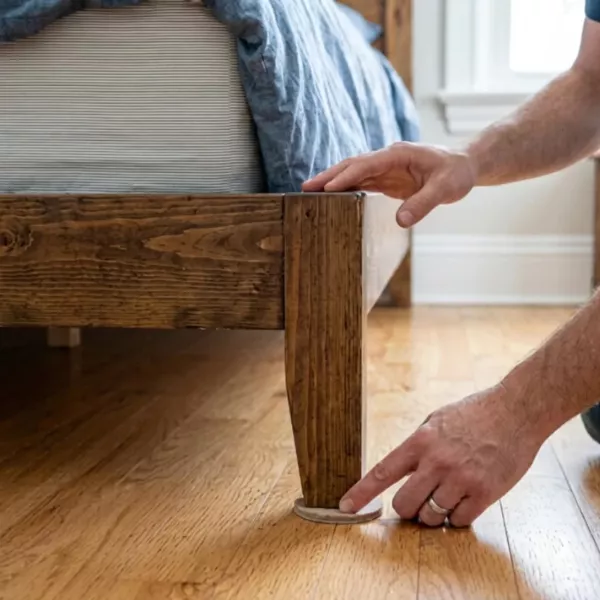
QUICK GUIDE
1. Check the Fixings
Make sure all bolts, screws and connectors are fitted correctly and tightened.
2. Check the Floor
An uneven floor can make even a correctly assembled bed appear unstable.
3. Check Alignment
Make sure the frame sections are sitting squarely and have not been fitted at an angle.
4. Don't Ignore Movement
If the frame still moves after checking the assembly, stop using it until the cause is identified.
Before You Start
A small amount of movement can sometimes be caused by the floor or the design of the frame, but excessive wobbling should be investigated. Do not continue using a bed that appears damaged, unstable or incorrectly assembled.
WHAT YOU NEED
Check These First
- Bed assembly instructions
- All visible bolts and screws
- Bed frame joints
- Legs and feet
- Floor underneath the bed
Helpful Extras
- Correct-size screwdriver
- Allen key if supplied
- Spanner if required
- Spirit level
- Another person to help check movement
STEP 1
Check All Bolts and Screws
Start by checking every accessible fixing on the bed frame. A single loose bolt can allow a joint to move and make the entire frame feel unstable. Check the assembly instructions to make sure each fixing is in the correct position and has been tightened as specified.
STEP 2
Check the Bed Legs and Feet
Check that all legs and feet are fitted correctly and are making proper contact with the floor. If one leg is loose, incorrectly positioned or not fully screwed into place, it can cause the bed to rock from side to side.
STEP 3
Check the Floor
The surface underneath the bed can affect stability. Move the bed slightly and check whether the floor is level and whether carpets, rugs or other flooring materials are causing one or more feet to sit differently from the others.
Important
Don't simply tighten everything as hard as possible. Over-tightening can damage fixings, threads or components. Follow the manufacturer's assembly instructions and use the correct tools.
STEP 4
Check the Frame Alignment
Look at the main frame sections and check that they are sitting squarely. If a side rail, headboard, footboard or centre support has been fitted incorrectly, the frame may twist or move when pressure is applied.
STEP 5
Check the Centre Support
If your bed has a centre rail or support legs, check that these have been installed correctly. A missing, loose or incorrectly positioned centre support can affect the stability of the bed and the support provided to the mattress.
STEP 6
Recheck the Assembly
If you have found a loose or incorrectly fitted component, carefully correct it using the original assembly instructions. Once the bed has been reassembled, check the frame again for movement before placing the mattress back on the bed.
FINAL SAFETY CHECK
Make sure all required fixings are present and correctly fitted, the frame is stable and the support components are in their intended positions. If the bed remains excessively wobbly or you notice damaged parts, stop using it and contact the retailer or manufacturer for advice.
TROUBLESHOOTING
Bed Rocks Side to Side
Check the legs, feet, frame joints and floor underneath the bed.
One Corner Moves
Check whether the leg or foot at that corner is loose or not sitting correctly on the floor.
Frame Makes a Noise
Check accessible joints and fixings for movement, but do not over-tighten components.
Still Wobbly
Stop using the bed if it remains unstable and contact the retailer or manufacturer for assistance.
WOBBLY BED FRAME CHECKLIST
- Check all visible bolts and screws
- Check the legs and feet
- Check the floor underneath the bed
- Check that the frame is correctly aligned
- Check the centre support and support legs
- Compare the assembly with the original instructions
- Do not over-tighten fixings
- Check for damaged or missing components
- Do not use the bed if it remains unstable
- Contact the retailer or manufacturer if the problem cannot be resolved
Choosing the Right Bed Frame?
Understanding the different types of beds and their construction can help you choose the right frame for your bedroom and mattress.
VIEW BED BUYING GUIDEFAQ
Why is my new bed frame wobbly?
Common causes include loose fixings, incorrectly fitted components, uneven legs or feet, an uneven floor or a frame that has not been fully aligned.
Should I tighten all the bolts on my bed?
Check the manufacturer's instructions first. Fixings should be secure, but excessive tightening can damage some components or threads.
Can an uneven floor make a bed wobble?
Yes. If the bed feet do not sit evenly on the floor, the frame may rock or move when weight is applied.
Why does my bed move when I turn over?
Movement can be caused by loose joints, frame connections, legs or feet. Check the assembly and all accessible fixings.
What if my bed is still wobbly after checking everything?
Stop using the bed if it remains unstable and contact the retailer or manufacturer. There may be a damaged, missing or incorrectly supplied component that needs attention.
Explore Our Bed & Mattress Buying Guides
Looking for more advice? Explore our related buying guides for help choosing the right bed, divan and mattress.
Make Sure Your Bed Is Secure
A properly assembled bed frame should be stable and securely supported. If you're still experiencing problems, check the manufacturer's instructions or contact the retailer for help.
EXPLORE BUYING GUIDES