
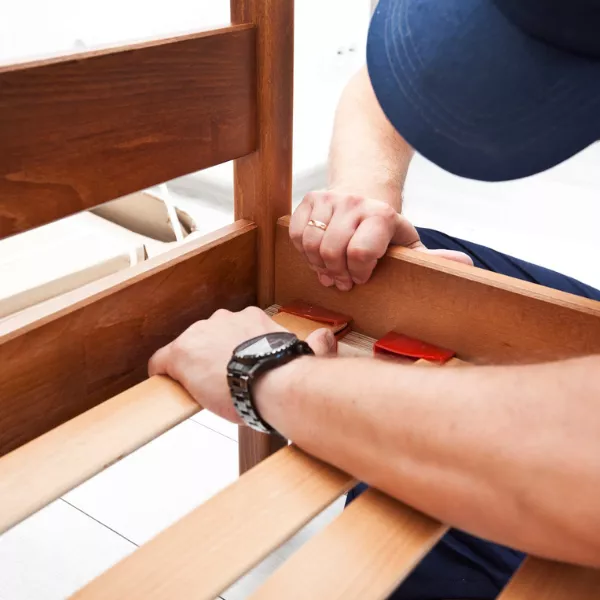
Quick Guide: How To Assemble A Bed
1. Prepare The Space
Clear enough floor space to lay out the parts and turn the frame safely during assembly.
2. Check The Parts
Compare the components and fixings with the supplied assembly instructions before starting.
3. Build The Frame
Connect the headboard, footboard, side rails and central supports in the correct order.
4. Check & Finish
Tighten the fixings, check stability, fit the slats or base and add your mattress.
Before You Start
Before assembling your bed, read through the manufacturer's instructions from beginning to end. Bed designs vary, so the exact order of assembly, fixings and support system can differ. Give yourself plenty of room to work, keep the fixings together and avoid tightening everything fully until the main frame is correctly aligned.
What Do You Need To Assemble A Bed?
Assembly Instructions
Keep the manufacturer's instructions beside you throughout the build. They show the correct order and fixing positions for your particular bed.
Screwdriver
A suitable screwdriver may be required for screws used throughout the frame and support components.
Allen Key
Many modern beds use hex bolts. An Allen key is often supplied with the hardware.
A Second Person
A second person can make larger frames easier to hold, align and turn during assembly.
How To Assemble A Bed Step By Step
1. Clear And Prepare Your Workspace
Choose a clear, level area where you have enough space to lay out the components. Remove obstacles and protect delicate flooring if necessary. Make sure there is enough room around the bed to work comfortably.
2. Unpack And Check Everything
Carefully remove the bed from its packaging and identify each component. Check the number of rails, panels, legs, supports, slats, bolts, screws and other fittings against the supplied instructions before you begin.
3. Identify The Headboard And Footboard
Separate the main frame components and identify which panel is the headboard and which is the footboard. Some beds look similar at either end, so check the instructions before attaching anything.
4. Attach The Side Rails
Connect the side rails between the headboard and footboard using the supplied fixings. Start each screw or bolt without fully tightening it so you can make small alignment adjustments as the frame comes together.
5. Fit The Centre Support
If your bed includes a centre support beam, legs or additional supports, fit them according to the manufacturer's instructions. These components help distribute the load across the sleeping surface and are important for overall stability.
6. Install The Slats Or Base
Once the main frame is aligned, fit the slats or solid base. Make sure each slat sits in its intended position and that any clips, caps or holders are fully engaged.
7. Tighten All Fixings
Go around the frame and gradually tighten the screws and bolts. Avoid overtightening, as excessive force can damage fittings or materials. Check that the frame remains square as you tighten it.
8. Check The Finished Bed
Before adding the mattress, gently check the frame for movement, looseness or wobbling. Make sure the supports are firmly positioned and that nothing has been missed during assembly.
Does Every Bed Assemble In The Same Way?
No. The assembly process depends on the type and design of bed. A traditional bed frame normally requires the side rails, headboard, footboard and slatted or solid base to be connected. A divan usually arrives as separate base sections that need to be joined, while an ottoman bed has additional hinges and lifting components.
Bed Frame
More individual frame components, rails, supports and slats. Assembly usually focuses on creating a rigid outer frame.
Divan Bed
Usually simpler construction, with base sections joined together and feet or castors fitted underneath.
Ottoman Bed
More involved because the lifting platform, hinges and gas struts must be installed correctly.
Why Is The Support System So Important?
The mattress should sit on a properly supported base. Depending on the bed, this may be a series of wooden slats, a solid platform or another manufacturer's specified support system.
Do not remove, reposition or leave out support components simply because the bed appears stable without them. Centre beams and support legs are designed to help distribute weight and keep the frame working as intended.
Common Bed Assembly Mistakes
Starting Without Checking The Instructions
A similar-looking component may have a specific position or orientation, so identify everything first.
Tightening Too Early
Fully tightening one section before the frame is aligned can make later connections difficult.
Missing A Support
Centre beams, legs and other supports are part of the structure and should not be omitted.
Skipping The Stability Check
Always check for wobbling, loose connections and movement before placing the mattress on the bed.
How To Make Sure Your Bed Is Stable
A correctly assembled bed should feel secure and supported rather than loose or unstable. Check that the bed is sitting on a reasonably level surface, all required fixings are secure and the support legs or centre beam are correctly positioned. If the frame rocks when you apply gentle pressure, stop and investigate the cause before using the bed.
Bed Assembly Checklist
✓ The assembly instructions have been read
✓ All components and fixings have been checked
✓ The headboard and footboard are correctly positioned
✓ The side rails are securely attached
✓ Centre supports and support legs are fitted where required
✓ Slats or the solid base are correctly positioned
✓ All fixings have been tightened correctly
✓ The finished bed has been checked for stability
Choose The Right Mattress For Your New Bed
Once your bed is assembled, the next step is choosing a mattress that matches the size and support system. Check the required mattress dimensions and consider the mattress depth if you want to achieve a particular overall bed height.
How To Assemble A Bed FAQs
How long does it take to assemble a bed?
Assembly time depends on the design, number of components and your experience. A straightforward bed can often be assembled within a few hours, while larger or more complex designs may take longer.
Can one person assemble a bed?
Some smaller beds can be assembled by one person, but having a second person is helpful for larger frames. An extra pair of hands can make it much easier to hold rails, align panels and turn the frame safely.
Should I tighten all the screws straight away?
Usually, it is better to start the fixings without fully tightening them until the main frame is aligned. Once the components are correctly positioned, tighten everything securely according to the manufacturer's instructions.
Why is my newly assembled bed wobbling?
Check that all fixings are secure, the frame is correctly aligned and any centre support or legs are properly installed. Also check whether the floor is uneven. If the bed continues to wobble, refer back to the assembly instructions.
Can I use the bed before fitting all the slats?
No. The bed should be fully assembled with its specified support system in place before it is used. The slats or base form an important part of the mattress support.
What should I do if a part is missing?
Do not improvise with a different screw, bolt or structural component. Check the packaging carefully and compare the contents with the parts list. If a component is genuinely missing, contact the retailer or manufacturer for the correct replacement.
More Bed & Mattress Guides
Mattress Buying Guides
Find guidance on mattress types, firmness and comfort.
Explore Mattress Guides →How To Build A Bed Frame
Get more detailed guidance on constructing a bed frame.
Build A Bed Frame →Help & Advice
Find more practical guides for beds, mattresses and bedroom care.
Visit Help & Advice →Ready To Assemble Your New Bed?
Take your time, follow the instructions for your specific bed and check every fixing before adding your mattress. A careful assembly will help your bed remain stable, comfortable and secure.