
The Weirdest Sleep Facts
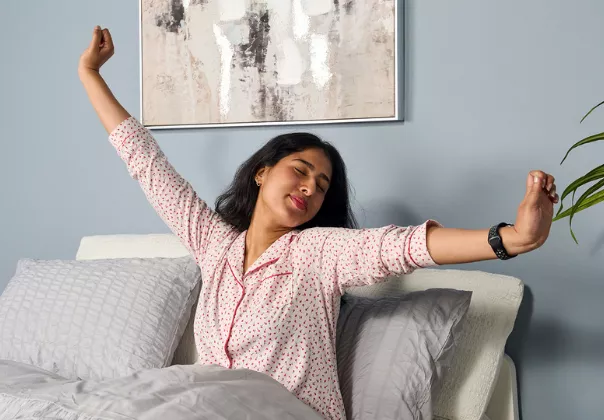
Sleep might seem like the quietest and simplest part of the day, but what happens while we are asleep is anything but ordinary. From dreaming and sleep talking to sudden muscle movements and surprisingly vivid experiences, sleep is full of strange little mysteries.
We spend around a third of our lives asleep, yet there is still plenty about sleep that can seem completely bizarre. Here are some of the weirdest sleep facts, behaviours and nighttime experiences that show just how fascinating the sleeping brain and body really are.
You Can Dream in Colour
Most people dream, but the way dreams look and feel can vary enormously. Dreams can contain people, places, sounds, emotions and events that seem incredibly realistic while they are happening.
Dreams can also be colourful, although not everyone remembers them in the same way. What you remember when you wake up can be influenced by how quickly you become fully alert and what happens immediately afterwards.
Perhaps the strangest thing about dreaming is how convincing it can feel. Your sleeping brain can create an entire experience without you actually going anywhere.
You Can Move Without Remembering It
Most of us change position during the night without having any memory of doing so. Rolling onto your side, adjusting a pillow or moving your legs can happen without entering your conscious awareness.
This is one reason why your sleeping position in the morning may be completely different from the position you started in.
Small movements are a normal part of sleep and can help you remain comfortable as you move through different stages of the night.
Sleep fact
You do not need to remember every movement you make during the night for it to have happened. Much of your nighttime repositioning takes place without conscious awareness.
Your Brain Does Not Simply "Switch Off"
Going to sleep does not mean your brain stops working. Quite the opposite. Your brain remains active throughout sleep, moving through different stages and carrying out important processes.
Sleep is associated with memory processing, learning, emotional regulation and many other functions that help the body and brain recover.
So while you might look completely still from the outside, there is plenty happening beneath the surface.
Sleep Paralysis Can Feel Completely Real
Sleep paralysis is one of the strangest sleep experiences. It can happen when a person becomes aware of their surroundings while temporarily being unable to move or speak.
Some people also experience vivid sensations or hallucinations during an episode, which can make the experience particularly unsettling.
Although it can feel frightening, sleep paralysis is linked to the transition between sleep and wakefulness and is generally brief.
You Can Fall Asleep in More Than One Way
There is not one single switch that suddenly turns sleep on. Falling asleep involves a gradual transition as your level of alertness decreases.
You may notice your thoughts becoming less organised, your body relaxing and your awareness of your surroundings fading.
Sometimes the transition can happen so quickly that you do not even realise you have fallen asleep until you wake again.
You Can Talk While Fast Asleep
Sleep talking, also known as somniloquy, can happen during sleep. Some people mumble, whisper or say complete sentences without knowing they are doing it.
The content of sleep talking does not necessarily reflect what someone is dreaming about, and it may not make any sense at all.
The person speaking will often have no memory of the conversation when they wake up, which can make for some very confusing mornings.
Some People Walk While They Sleep
Sleepwalking is another unusual behaviour that can occur during sleep. A sleepwalker may sit up, walk around or carry out simple actions while remaining asleep.
People who sleepwalk often have little or no memory of the event afterwards.
Sleepwalking can look surprisingly purposeful from the outside, even though the person's awareness and judgement may still be greatly reduced.
Your Muscles Behave Differently During Dreaming
During REM sleep, the stage in which vivid dreaming commonly occurs, the body experiences a temporary reduction in most voluntary muscle activity.
This helps prevent us from physically acting out many of the movements taking place in our dreams.
It is one of the most fascinating examples of how the sleeping brain and body work together to create a very unusual state of consciousness.
That Sudden Falling Feeling Has a Name
Have you ever been drifting off to sleep and suddenly felt as though you were falling, followed by a quick muscle jerk?
This sensation is known as a hypnic jerk, or sleep start. It can happen during the transition from wakefulness to sleep and is usually harmless.
The sensation can be surprisingly dramatic, especially when it happens just as you feel yourself dropping into sleep.
Your Sense of Time Can Get Very Strange
Time does not always feel the same when you are asleep. A dream that seems to have lasted for hours may actually have occurred during a much shorter period.
When you wake, your memory of the night is also incomplete. You may remember a vivid dream but have no sense of the many hours that passed between falling asleep and waking.
This can make a full night's sleep feel as though it disappeared in an instant.
Your Brain Can Create Familiar Faces From Memory
Dreams can feature people you know, people you have seen briefly and sometimes completely unfamiliar characters.
The brain is remarkably good at combining memories, emotions and visual information into new dream experiences.
This is part of what makes dreams so strange: familiar places and people can appear in combinations that would never make sense in everyday life.
Your Body Temperature Changes During Sleep
Your body temperature follows a natural daily rhythm and changes as you move through the sleep-wake cycle.
As you prepare for sleep, your body naturally begins to cool. Your bedroom environment, bedding, clothing and mattress can all influence how comfortable this process feels.
That is why creating a bedroom that is neither too hot nor too cold can be an important part of a comfortable night's sleep.
- Keep your bedroom comfortably cool.
- Choose bedding appropriate for the season.
- Consider breathable sleepwear.
- Make sure your mattress feels comfortable rather than excessively warm.
- Use ventilation when appropriate.
The midnight reset
If you wake feeling too hot, too cold or uncomfortable, resist the temptation to completely rearrange your bedroom. Small changes to bedding, ventilation or sleepwear may be enough to make the rest of the night more comfortable.
Your Sense of Smell Can Affect Dreams
Smells are closely connected with memory and emotion, which is one reason familiar scents can produce surprisingly strong reactions.
A familiar smell can remind you of a person, place or moment from the past. When scent becomes part of your sleeping environment, it may also become incorporated into the experience of sleep and dreaming.
However, keeping the bedroom comfortable and free from overpowering smells is generally a better approach than filling the room with strong fragrances.
You Can Wake Up and Forget a Dream Almost Instantly
Dream memories can disappear incredibly quickly. You may wake with a vivid dream still fresh in your mind, only for the details to fade within minutes.
This is why keeping a notebook beside the bed can be useful if you enjoy remembering your dreams. Writing down even a few words immediately after waking can help preserve the memory.
And if you forget the dream completely, that is perfectly normal too.
You Spend Years of Your Life Asleep
Perhaps the strangest sleep fact of all is simply how much time we spend doing it.
If someone lives to around 80 years old and sleeps roughly eight hours a night on average, that adds up to approximately 26 years spent asleep.
That might sound like an enormous amount of time, but sleep is not wasted time. It is an essential part of maintaining physical and mental wellbeing, making the bedroom and sleep environment worth taking seriously.
Make Your Sleep Space More Comfortable
Sleep may be strange, but your bedroom does not have to be. A comfortable mattress, suitable bed and relaxing environment can help create the right conditions for a better night's sleep.
If you're thinking about improving your sleep setup, explore our Mattress Buying Guides. You'll find practical advice to help you understand mattress types, firmness, sizes and other important considerations when choosing your next mattress.
Frequently Asked Questions
Why do we dream?
Dreaming is associated particularly strongly with REM sleep, although dream-like experiences can occur during other stages too. Researchers continue to study exactly why we dream, with theories involving memory, emotion and the brain's processing of information.
Why do I sometimes feel like I'm falling asleep?
A sudden falling sensation accompanied by a muscle jerk can be a hypnic jerk, which can occur as you transition from wakefulness into sleep. It is usually harmless.
Is sleep paralysis dangerous?
Sleep paralysis can feel frightening, but episodes are generally brief and are associated with the transition between sleep and wakefulness. If episodes happen frequently or are causing significant distress, it is sensible to speak with a healthcare professional.
Why do people talk in their sleep?
Sleep talking can occur during sleep and may involve anything from quiet mumbling to more understandable speech. The person usually has little or no memory of the conversation afterwards.
Why do I forget my dreams so quickly?
Dream memories can fade very quickly after waking, particularly if you immediately become distracted or get out of bed. Writing down what you remember as soon as you wake can help preserve the details.
How can I make my sleep more comfortable?
Start with the basics: create a comfortable bedroom, choose suitable bedding, maintain a relaxing bedtime routine and make sure your mattress and bed provide the support and comfort you need.
The Bed Post
Sleep well. Wake well. Live well.