
Bedroom Design Trends 2025: The Key Trends Shaping Modern Bedrooms
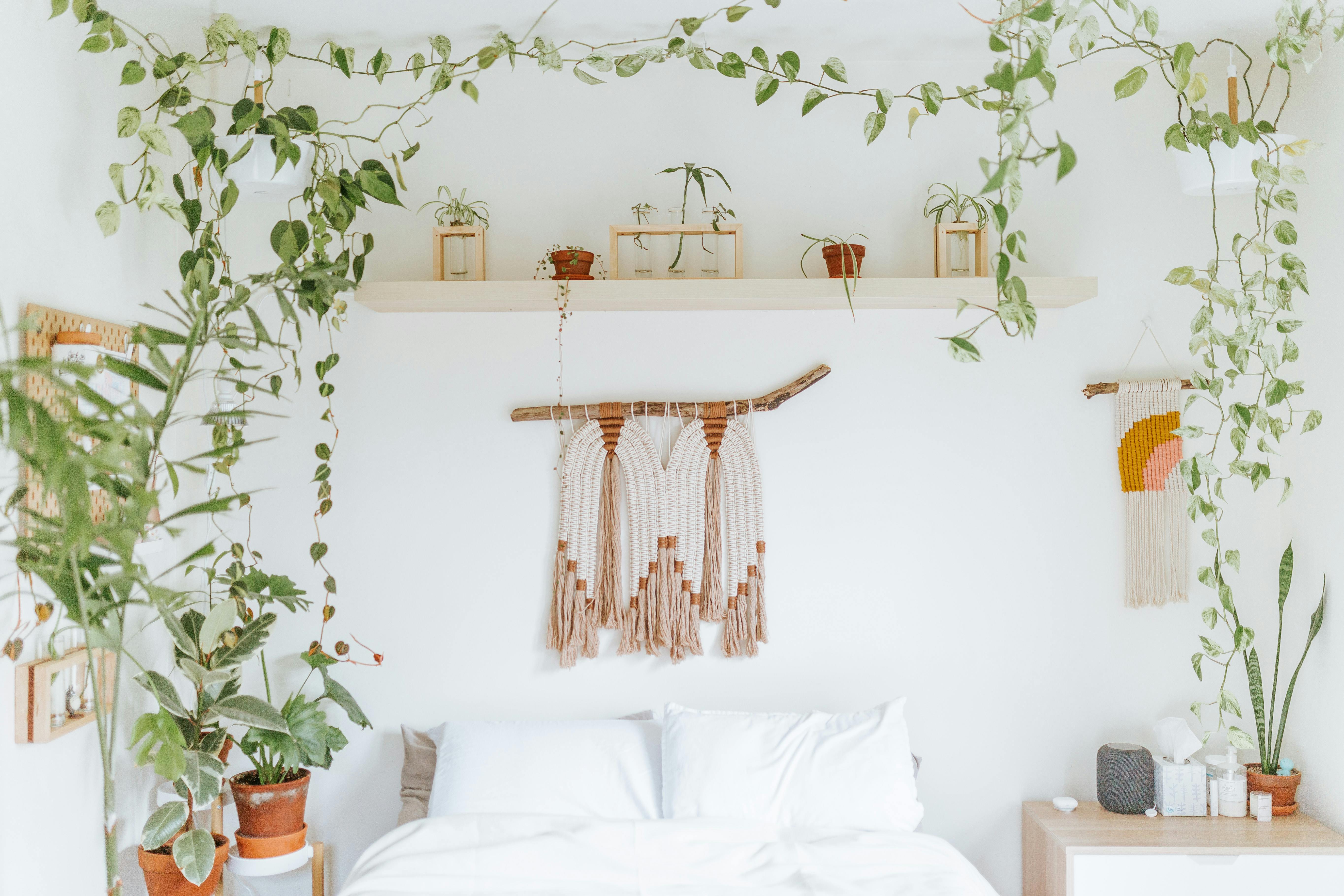
Bedroom design is becoming less about following a single decorating style and more about creating a space that feels comfortable, personal and practical. The bedroom trends of 2025 bring together natural materials, expressive colour, flexible furniture and calming influences from nature.
From sustainable materials and biophilic interiors to warmer colour palettes, vintage influences and sculptural furniture, there are plenty of ways to refresh a bedroom without completely starting again. Whether you are planning a full redesign or simply looking for a few easy updates, these bedroom design trends can help you create a space that feels contemporary while still being comfortable enough for a good night's sleep.
Sustainable and Eco-Friendly Materials
Sustainability continues to influence bedroom design, with natural and responsibly sourced materials becoming increasingly popular. Rather than filling a room with disposable furniture and accessories, the focus is shifting towards pieces that can last, be repaired and continue to work with changing interiors.
Wood remains a particularly versatile choice for bedroom furniture, bringing warmth and natural character to the room. Linen, cotton, wool and other natural textiles can also introduce texture while helping the space feel relaxed and inviting.
When choosing furniture, consider the materials used, how well the piece is made and whether it can adapt to your needs over time. A well-made wooden bed frame, for example, can become the foundation of a bedroom that evolves with you.
Maximalism Meets Minimalism
One of the most interesting bedroom trends is the combination of maximalist personality with minimalist organisation. Instead of choosing between a completely plain bedroom and an intensely decorated one, homeowners are finding a balance between the two.
This can mean keeping the main furniture relatively simple while introducing personality through artwork, bedding, cushions, rugs or a statement wall. The result is a bedroom that feels expressive without becoming visually overwhelming.
Use Statement Pieces Carefully
A bold headboard, colourful armchair or striking piece of artwork can become the focal point of the room. Once you have one or two strong features, keep surrounding elements relatively simple so the room still feels balanced.
Layer Textures
Texture is another easy way to add richness without introducing too many colours. Combine smooth furniture with knitted throws, woven accessories, soft bedding and tactile rugs to make the bedroom feel warm and inviting.
Biophilic Design
Biophilic design remains a major influence on modern bedrooms. The idea is simple: bring elements of the natural world into the home to create an environment that feels more connected to nature.
Indoor plants are an obvious starting point, but biophilic design can go much further. Natural wood, woven materials, botanical artwork, earthy colours and plenty of daylight can all contribute to the look.
If your bedroom receives good natural light, position plants where they can thrive without blocking windows or creating clutter. Even a few carefully chosen plants can add colour and softness to an otherwise neutral room.
Flexible and Multi-Functional Spaces
Bedrooms are increasingly being asked to do more than provide somewhere to sleep. For many homes, the bedroom may also need to accommodate working, reading, getting ready or storing belongings.
Flexible furniture and thoughtful zoning can make this easier. A compact desk can create a practical work area, while an armchair can form a dedicated reading corner without taking over the whole room.
Storage is equally important. Beds with built-in storage, ottoman designs, wardrobes with clever internal organisation and bedside tables with drawers can help keep everyday clutter out of sight.
Think About Zoning
Rather than treating the bedroom as one large space, consider what each area is used for. Keeping work, relaxation and sleep areas visually separate can make the room feel more organised and purposeful.
Vintage and Retro Revival
Vintage and retro influences are making bedrooms feel more characterful. Rather than recreating a particular decade from floor to ceiling, modern interiors are borrowing individual details from different periods.
Mid-century-inspired furniture, Art Deco shapes, traditional wooden pieces and retro lighting can all work within a contemporary bedroom. The key is to combine older-looking elements with modern essentials so the room feels curated rather than dated.
Upcycling is another way to embrace this trend. An older bedside table, chest of drawers or bed frame can often be refreshed with a new finish, updated hardware or a simple coat of paint.
Bold Patterns and Wall Treatments
Walls are becoming an important part of bedroom design, with wallpaper, decorative finishes and statement colours being used to create stronger focal points.
Patterned wallpaper can add personality without requiring new furniture, while an accent wall can give a neutral bedroom a completely different character. If you prefer a subtler approach, consider textured paint effects, panelling or natural wall coverings.
For smaller bedrooms, using a bold pattern behind the bed can help define the sleeping area and create a clear focal point without covering every wall.
Warmer Hues
Cool grey interiors are increasingly being balanced with warmer, more comforting shades. Terracotta, burnt orange, ochre, warm beige, soft brown and muted earthy tones can make a bedroom feel welcoming and cocooning.
These colours do not have to dominate the room. A warm-toned throw, upholstered headboard, bedside lamp, rug or artwork can introduce colour while allowing the main scheme to remain calm.
Soft neutrals are particularly useful if you want to create a timeless bedroom. They can be combined with stronger accent colours and natural wood to create a look that feels both contemporary and comfortable.
Double Drenching and Pattern Drenching
Colour drenching involves taking one colour across several surfaces rather than limiting it to a single feature wall. In a bedroom, this could mean using a similar shade across the walls, woodwork and even selected furniture.
Pattern drenching takes a similar idea and applies it to prints and decorative motifs. Used carefully, repeating a pattern across different elements can make a bedroom feel deliberately designed and cohesive.
If you are nervous about committing to a strong colour or pattern, start with one section of the room and build from there. Bedding, curtains and artwork can be changed more easily than permanent finishes, making them useful places to experiment.
Shapely Furniture
Curves and softer silhouettes are another key influence on bedroom furniture. Rounded headboards, curved bedside tables, arched mirrors and sculptural chairs can soften the strong straight lines traditionally found in bedrooms.
Shapely furniture can also act as a statement feature. A curved bed or distinctive headboard can become the centrepiece of a room, while simpler furniture around it keeps the overall look balanced.
Asymmetrical and sculptural designs are particularly useful if you want your bedroom to feel more individual. You do not need many unusual pieces; one distinctive item can be enough to give the room personality.
Creating a Bedroom That Feels Like You
The best bedroom design trend is ultimately the one that works for you. Trends can provide inspiration, but your bedroom still needs to support how you actually live and sleep.
Start with the things that matter most: a comfortable bed, practical storage, suitable lighting and enough space to move around easily. From there, bring in the colours, textures, materials and decorative details that make the room feel personal.
You do not need to completely redesign your bedroom to embrace the latest trends. Changing bedding, adding greenery, introducing warmer colours, updating lighting or replacing one key piece of furniture can be enough to give the room a fresh new feel.
Ready to refresh your bedroom?
Explore our practical bed buying guides to help you choose the right style, size and setup for your space.
Bedroom Design Trends 2025 FAQs
What are the biggest bedroom trends for 2025?
Some of the key trends include natural and sustainable materials, biophilic design, warmer colours, vintage influences, flexible furniture, bold patterns and sculptural shapes.
Are neutral bedrooms still popular?
Yes. Neutral bedrooms remain popular, but warmer shades such as beige, cream, taupe and soft brown are increasingly being used instead of relying solely on cooler greys.
How can I make my bedroom look more modern without replacing everything?
Try updating the bedding, lighting, wall colour, artwork or soft furnishings first. Adding a plant, introducing warmer colours or replacing one statement piece can also make a noticeable difference.
What materials work well for a natural bedroom?
Wood, linen, cotton, wool, rattan and other natural-looking materials can all help create a warmer and more relaxed bedroom environment.
How do I add bold colour without making my bedroom feel too busy?
Choose one main accent colour and repeat it through a few carefully selected details, such as cushions, artwork, throws or an upholstered headboard. Keeping the rest of the room relatively simple will help maintain balance.
The Bed Post
Sleep well. Wake well. Live well.