
Weighted Blankets Uncovered
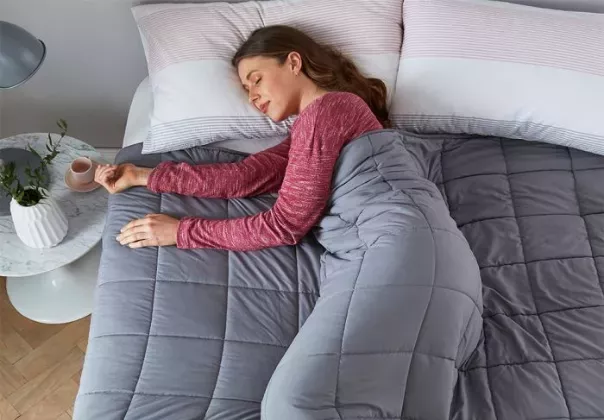
Weighted blankets have become increasingly popular as people look for ways to make bedtime feel more comfortable and relaxing. Designed with small pockets of evenly distributed weight, they create a noticeably heavier layer than a conventional duvet or blanket.
For some sleepers, that extra weight feels cosy and reassuring. For others, it can feel too warm, restrictive or simply unnecessary. So, what is the appeal of a weighted blanket, how do they work, and what should you consider before buying one?
The evidence around weighted blankets is still developing, so they should not be viewed as a guaranteed solution for sleep problems. However, they can be an interesting addition to a comfortable bedtime routine for some people.
What Is a Weighted Blanket?
A weighted blanket is a blanket designed to be considerably heavier than standard bedding. Its weight is usually distributed through pockets containing materials such as glass beads, plastic pellets or other suitable filling materials.
The aim is to spread the weight relatively evenly across the body rather than concentrating it in one area. This creates a feeling of gentle pressure when the blanket is placed over you.
Weighted blankets are available in different sizes, materials, weights and designs. Some are designed to be used as an additional layer, while others have removable covers to make cleaning easier.
Why Do People Like Weighted Blankets?
The main appeal is the sensation of gentle pressure. Some people find this reassuring and calming, particularly when settling down at the end of a busy day.
Weighted blankets are sometimes described as providing deep-pressure or sensory input. Research into their potential effects on sleep and anxiety has produced mixed results, so it is better to think of them as a comfort preference rather than a guaranteed sleep treatment.
For someone who enjoys the feeling of being tucked in securely, a weighted blanket may simply make the bed feel more inviting.
Can a Weighted Blanket Help You Sleep?
This is one of the most common questions surrounding weighted blankets, but there is no simple yes-or-no answer.
Some research suggests that weighted blankets may help certain people feel calmer or experience improvements in perceived sleep. However, the evidence remains limited and mixed, meaning they should not be presented as a cure for insomnia or other sleep disorders.
Your overall sleep environment still matters considerably. A comfortable mattress, suitable pillow, manageable bedroom temperature, low levels of disturbance and a consistent bedtime routine are all important parts of creating good conditions for sleep.
If your mattress is no longer providing the comfort you need, our Mattress Buying Guide can help you explore your options.
How Heavy Should a Weighted Blanket Be?
There is no single weight that is right for everyone. The correct choice depends on the individual, the blanket's size and the manufacturer's instructions.
A commonly used guideline is that a weighted blanket should not exceed around 10% of the user's body weight. This is not a universal medical rule, however, and manufacturer guidance should always be followed. Occupational therapy guidance also stresses the importance of considering the person's size, strength, mobility and ability to remove the blanket independently.
More weight is not necessarily better. If a blanket feels difficult to move, uncomfortable or excessively warm, it may simply be too heavy for you.
Always follow the manufacturer's instructions for weight, size and intended use. You should be able to move out from underneath the blanket yourself. If it feels too hot, heavy or uncomfortable, remove it.
Weighted Blankets and Temperature
One of the biggest drawbacks for some sleepers is heat. Adding another substantial layer to the bed can make it harder to stay comfortable, particularly if you already tend to sleep warm.
Consider breathable materials and a design that allows some airflow. You can also think about the rest of your bedding. A lighter duvet, breathable sheets and a suitable bedroom temperature may help balance the additional layer.
If keeping cool at night is one of your priorities, our Cooling Mattress Buying Guide has more advice on creating a cooler sleep setup.
Choosing the Right Weighted Blanket
If you are considering buying one, look beyond the weight alone. The materials, size, cover, construction and care requirements can all make a difference to how practical the blanket is.
Consider the weight
Choose a weight that you can comfortably move and that follows the manufacturer's recommendations. A weighted blanket should feel manageable rather than restrictive.
Think about the size
A weighted blanket should be an appropriate size for the person using it. Avoid choosing a blanket simply because a larger size sounds more luxurious. The manufacturer's instructions should explain how the product is intended to fit.
Check the filling
Different weighted blankets use different filling materials. Look for a design where the filling is distributed evenly and securely, with stitching that helps prevent it from gathering excessively in one area.
Look at the cover
A removable, washable cover can make a weighted blanket much easier to keep fresh. Check the washing instructions before buying, as some weighted products may require particular care.
Who Should Be Careful With Weighted Blankets?
Weighted blankets are not suitable for everyone. Extra weight over the body may be inappropriate for people who cannot easily move the blanket themselves or who have particular health or breathing concerns.
Guidance from the Royal College of Occupational Therapists highlights the importance of considering individual health conditions, physical strength, size, mobility, temperature regulation and the ability to remove the blanket independently.
People with conditions affecting breathing or circulation, for example, should seek appropriate medical advice before using a weighted blanket. Sleep Foundation guidance specifically highlights conditions including obstructive sleep apnoea and chronic respiratory or circulatory problems as reasons to exercise caution.
If you have a medical condition, take medication that affects alertness or mobility, or are unsure whether a weighted blanket is appropriate for you, speak to a healthcare professional before using one.
What About Children?
Extra care is needed when considering weighted blankets for children. They should never be treated as ordinary bedding for babies or young children.
NHS occupational therapy guidance stresses that a child using a weighted blanket must be able to remove it or get free independently, should have their head and neck uncovered, and should be supervised. Guidance also recommends following the manufacturer's weight and size instructions, with 10% of body weight commonly given as an upper guideline.
Some NHS services recommend removing weighted blankets once a child is asleep rather than leaving them on overnight. Advice can vary according to the child and the reason for use, so parents and carers should seek appropriate professional guidance where necessary.
Weighted blankets should never be used to restrain a child, and a child should never be left unable to remove themselves from the blanket.
Weighted Blanket vs Duvet: What's the Difference?
A traditional duvet is primarily designed to provide warmth while remaining relatively light and flexible. A weighted blanket is designed to add noticeable pressure as well as warmth or comfort.
That means they serve slightly different purposes. Some people may prefer a weighted blanket on its own, while others may use it as an additional layer depending on the product and their comfort preferences.
If you prefer a lighter sleeping environment, a conventional duvet and breathable bedding may be the better option. If you enjoy the sensation of additional weight, a weighted blanket may be worth exploring.
How to Use a Weighted Blanket as Part of Your Bedtime Routine
A weighted blanket does not need to be the centre of your entire sleep routine. Think of it as one optional part of creating a comfortable transition into bed.
- Wind down first: Give yourself time to move away from work, screens and other stimulating activities.
- Prepare the bedroom: Keep the room comfortable, tidy and at a suitable temperature.
- Settle into bed: Arrange your pillows and bedding so you feel comfortable.
- Add the weighted blanket: Use it according to the manufacturer's instructions.
- Pay attention to comfort: If you feel too hot, uncomfortable or restricted, remove it.
A good bedtime routine should feel sustainable. If a weighted blanket makes you more comfortable, it may be a useful addition. If it makes you feel restricted or overheated, there is no reason to force yourself to use one.
Don't Forget the Mattress
It can be tempting to focus on blankets, pillows and other sleep accessories when trying to improve your bedroom. But your mattress remains the foundation of your bed.
A weighted blanket cannot compensate for a mattress that is uncomfortable, unsuitable for your sleeping position or no longer providing the support you need.
If you are considering a new mattress, our Mattress Buying Guide can help you understand the choices available. For advice on keeping your existing mattress in good condition, visit our Mattress Care guide.
You can also explore our Help & Advice section for more ideas on creating a comfortable bedroom.
Weighted Blanket Checklist
✓ Choose an appropriate weight and size
✓ Follow the manufacturer's instructions
✓ Make sure you can remove it independently
✓ Consider breathability and temperature
✓ Check the filling and construction
✓ Choose a washable or removable cover where practical
✓ Stop using it if it feels too hot, heavy or uncomfortable
✓ Seek professional advice if you have relevant health concerns
Final Thoughts: Is a Weighted Blanket Right for You?
Weighted blankets are an interesting addition to the modern bedroom, but they are not a magic solution for sleep. Some people enjoy the gentle pressure and find it comforting, while others may prefer the freedom and lightness of conventional bedding.
If you are considering one, focus on comfort and safety rather than simply choosing the heaviest option available. Check the manufacturer's guidance, think about your preferred sleeping temperature and make sure you can move the blanket away from yourself easily.
Most importantly, remember that good sleep is about the whole environment. A comfortable mattress, suitable bedding, a relaxing routine and a bedroom that feels right for you all have a part to play.
Frequently Asked Questions
Do weighted blankets really help you sleep?
Some research suggests weighted blankets may improve perceived sleep or help some people feel calmer, but the evidence is still limited and mixed. They should be considered a comfort option rather than a guaranteed treatment for sleep problems.
How heavy should my weighted blanket be?
A commonly used guideline is no more than around 10% of the user's body weight, but this is not a universal rule. Always follow the manufacturer's instructions and choose a blanket that you can comfortably move and remove yourself.
Can weighted blankets make you too hot?
They can. The additional weight and material can increase warmth, particularly for people who already sleep hot. Look for breathable materials and consider lighter bedding elsewhere on the bed if necessary.
Are weighted blankets safe for children?
Extra caution is needed. Children must be able to remove the blanket themselves, their head and neck must remain uncovered, and appropriate supervision and manufacturer guidance are important. NHS guidance also recommends that weighted blankets are not used overnight for children in certain settings.
Who should avoid weighted blankets?
People who have certain breathing, cardiovascular or mobility concerns may need to avoid them or seek professional advice first. Anyone who cannot easily remove the blanket themselves should not use one without appropriate professional guidance.
More from Mattress365
Mattress Buying Guide | Mattress Care | Cooling Mattress Guide | Help & Advice
The Bed Post
Sleep well. Wake well. Live well.