
The Perfect Teen Bedroom
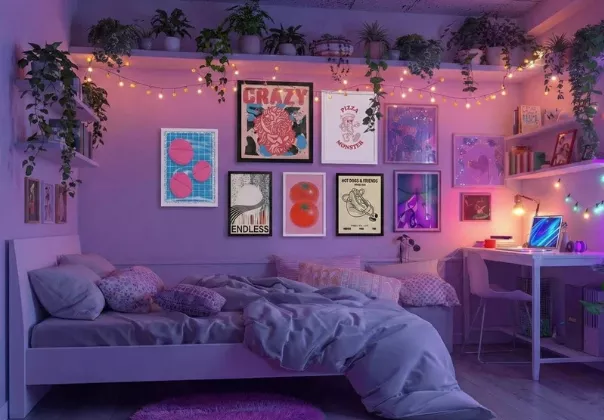
The perfect teen bedroom should be somewhere to sleep, relax, study, get ready and spend time with friends. It needs to feel personal and comfortable while still being practical enough to cope with everyday life.
Creating the right balance can be challenging. Teenagers often want more independence and a space that reflects their personality, while parents may be thinking about storage, organisation, durability and making the most of the available space. From choosing the right bed and mattress to creating useful study space and keeping clutter under control, here's how to create a bedroom that works for both.
1. Start With the Right Bed
The bed is usually the largest piece of furniture in a teenager's bedroom, so it is a good place to start. It needs to be comfortable enough for a good night's sleep while also working with the size and layout of the room.
Think about how much floor space is available and what else needs to fit into the room. A larger bed can provide more sleeping space, but it should not leave the room feeling cramped or make it difficult to access wardrobes, desks or storage.
When choosing a bed, consider the mattress size, overall dimensions, available floor space and whether built-in storage could be useful. Mattress365's Bed Buying Guide can help you compare different bed types, sizes and storage options.
2. Choose a Comfortable Mattress
Teenagers need plenty of good-quality sleep, which makes the mattress one of the most important choices in the bedroom. A stylish room will not make up for a mattress that does not provide the right level of comfort and support.
When choosing a mattress, consider its construction, support, firmness and materials rather than focusing on appearance alone. Different mattress types offer different feels, so it is worth thinking about individual comfort preferences as well as the size and style of the bed.
You can explore Mattress365's Mattress Buying Guide for advice on mattress types, firmness, support and materials.
Teen bedroom tip
The bedroom may be used for homework, hobbies, relaxing and socialising, but sleep should still be a priority. Start with a comfortable bed and mattress before building the rest of the room around it.
3. Make the Bedding Personal
Bedding is one of the easiest ways for a teenager to express their personality without making permanent changes to the room. Colours, patterns and textures can all help make the space feel more individual.
Neutral bedding can provide a versatile base, while cushions, throws and duvet covers can introduce colour and personality. If tastes change regularly, choosing easily replaceable accessories can be a practical way to refresh the room.
It is also worth keeping a spare set of bedding available. Teen bedrooms can be busy spaces, so having an extra set makes it easier to keep the bed fresh without creating unnecessary disruption.
4. Give Them Plenty of Pillow Options
A comfortable pillow can make a noticeable difference to sleep, and pillow preferences can vary from person to person.
Consider providing enough pillows for sleeping and relaxing, particularly if the bed is also used as a place to read, watch films or spend time with friends. Different pillow heights can also give more flexibility.
Make sure pillows are properly protected and cleaned regularly. Washable pillow protectors can be particularly useful in a busy bedroom where the bed is used throughout the day.
5. Add Layers for Comfort
Teen bedrooms need to work throughout the year, so flexible bedding can be useful. An additional blanket or throw allows the bed to be adapted when temperatures change.
A folded throw at the end of the bed can also add texture and colour without taking up additional floor space. During warmer months, lighter bedding can help create a more comfortable sleeping environment.
The aim is to give teenagers some control over their own space. Keeping extra blankets easy to reach means they can adjust their bedding without having to rearrange the room.
6. Make Storage Work Hard
Storage is one of the biggest challenges in a teen bedroom. Clothes, shoes, books, school equipment, hobbies and personal belongings can quickly take over if everything does not have a place.
Look for storage that combines different functions. A bed with drawers underneath, for example, can provide useful additional space without taking up more floor area.
Wardrobes, drawers, shelves and baskets can all have different jobs. The most important thing is to make frequently used belongings easy to access while keeping less frequently used items neatly stored away.
7. Create a Practical Charging Station
Phones, tablets, headphones and other devices are likely to be part of everyday life, so having a convenient place to charge them can make a bedroom much easier to keep organised.
Where possible, provide an accessible power socket near the bed or desk. A small bedside shelf or charging area can prevent cables and devices from being left across the floor.
Encourage cables to be kept tidy and avoid placing chargers where they can easily become tangled or knocked onto the floor. A simple charging station can make a surprisingly big difference to the overall feel of the room.
8. Make Space for Clothes and Shoes
A teenager's wardrobe can change quickly, so storage needs to be flexible enough to accommodate different types of clothing.
Make the most of the wardrobe by using suitable shelves, drawers and hanging space. A few accessible baskets can also be useful for smaller items that might otherwise end up on the floor.
If floor space is limited, look upwards. High shelves can store less frequently used belongings, while under-bed storage can be useful for spare bedding, seasonal clothing or shoes.
9. Get the Lighting Right
Good lighting is essential in a teen bedroom because the room often needs to serve several different purposes. A combination of lighting options can make it easier to move from studying to relaxing in the evening.
Desk lighting
A good desk lamp can provide focused light for homework, reading and other tasks without relying entirely on an overhead light.
Bedside lighting
A bedside lamp can provide softer light for reading and relaxing in the evening. It also means the main bedroom light does not need to remain on when it is time to settle down.
Ambient lighting
Additional softer lighting can help create a relaxed atmosphere. Lamps and other decorative lighting can also be an easy way to add personality without making permanent changes to the room.
10. Create a Dedicated Study Area
A bedroom often needs to accommodate homework and studying, so creating a dedicated workspace can help keep schoolwork separate from the rest of the room.
A desk does not need to be large, but it should provide enough room for books, stationery and a computer or laptop where required. A comfortable chair and suitable lighting are equally important.
Try to keep the desk reasonably clear. Small drawers, shelves or desk organisers can help prevent school supplies from spreading across the entire room.
11. Keep the Room Comfortable
A bedroom should feel comfortable at bedtime as well as during the day. Temperature, ventilation and natural light can all affect how pleasant the room feels.
Make sure heating controls are straightforward and that curtains or blinds can be adjusted easily. During warmer weather, safe ventilation can help prevent the room from becoming uncomfortable.
Soft furnishings such as curtains, rugs and bedding can also help make a bedroom feel warmer and more comfortable without relying entirely on decorative items.
12. Add the Personal Details
A teenager's bedroom should feel like their own space. Personal touches can make the room feel more comfortable and reflect their interests, hobbies and personality.
- Favourite photographs or artwork.
- Posters or prints that reflect their interests.
- Cushions and throws in their preferred colours.
- Books and items connected to hobbies.
- A noticeboard or display area.
- Plants or low-maintenance greenery.
- Decorative storage that suits their style.
The key is to leave room for the bedroom to evolve. Teenagers' tastes can change quickly, so flexible décor is often more practical than designing everything around one particular trend.
13. Choose Décor That Can Grow With Them
A bedroom designed for a teenager does not need to look childish. Choosing a flexible base can make it easier to update the room as their tastes and interests change.
Neutral walls and larger pieces of furniture can provide a long-lasting foundation, while bedding, artwork and accessories can introduce personality. This approach can also make future updates much easier.
Instead of trying to create a perfectly finished room, think about creating a flexible space that can change with them. A few carefully chosen details can have more impact than filling every wall and surface.
14. Keep the Bed and Mattress Well Maintained
With teenagers spending plenty of time in their bedrooms, the bed and mattress can experience a lot of daily use. Regular care can help keep the sleeping environment comfortable and hygienic.
Keep the mattress protected, follow the manufacturer's care instructions and check the bed base regularly. Bedding should also be washed regularly and the mattress checked for signs of wear.
If the mattress has become uncomfortable, visibly worn or damaged, it may be time to consider replacing it. For practical advice, see the Mattress365 Mattress Care Guide.
15. Leave Room to Relax
A teen bedroom should not feel like a combination of a bedroom and homework station. It should also provide somewhere to relax and switch off.
Depending on the size of the room, this could mean creating a comfortable reading corner, adding a small chair or simply making the bed a welcoming place to sit during the day.
The goal is to create a room that supports different parts of everyday life while still keeping sleep at the centre of the space.
The five-minute bedroom test
Walk into the room and look at it as a whole. Is there a comfortable place to sleep, enough storage for everyday belongings, somewhere to study, somewhere to charge devices and enough clear space to relax? If not, a few simple changes could make the room work much harder.
Teen Bedroom Checklist
Before calling the room finished, run through this quick checklist:
- Comfortable and well-maintained bed.
- Suitable mattress with good support.
- Fresh and comfortable bedding.
- Comfortable pillows and spare pillows available.
- Extra blanket or throw.
- Enough clothes and shoe storage.
- Accessible charging points.
- Good bedside and main lighting.
- Suitable desk and study lighting.
- Comfortable study chair.
- Clear and organised surfaces.
- Personal artwork and decorative touches.
- Curtains or blinds working properly.
- Comfortable room temperature.
Create a Teen Bedroom That Works for Them
The perfect teen bedroom combines comfort, personality and practicality. Start with a good bed and mattress, add useful storage and a dedicated study area, then finish with the colours, artwork and personal details that make the room feel like their own.
A comfortable bed remains the foundation of the room. If you're planning a new teen bedroom, our Bed Size Guide can help you compare UK bed sizes and plan the space around your chosen bed.
Frequently Asked Questions
What is the most important thing in a teen bedroom?
A comfortable bed and mattress should be the priority. Teenagers spend a significant amount of time sleeping, so creating a supportive and comfortable sleeping environment is more important than getting the décor exactly right.
What size bed is best for a teenager?
The best size depends on the available space and individual needs. A single bed can work well in a smaller room, while a small double or double can provide additional space where the room allows. Always consider the overall dimensions of the bed and the space needed to move around it.
How can I make a small teen bedroom feel bigger?
Choose furniture that fits the room properly, keep surfaces uncluttered and make good use of vertical and under-bed storage. A storage bed can be particularly useful because it adds storage without requiring additional floor space.
How much storage does a teenager need?
There is no single answer because storage needs vary depending on clothing, hobbies, schoolwork and personal belongings. A combination of hanging space, drawers, shelves and under-bed storage can make it easier to keep different types of belongings organised.
Should a teen bedroom have a desk?
A dedicated desk can be useful for homework, studying and other activities, particularly if there is enough space to create a comfortable workstation. A suitable chair and good lighting are just as important as the desk itself.
How often should a teen mattress be replaced?
There is no universal replacement date because mattress lifespan depends on its construction, quality, usage and condition. Regularly check whether the mattress remains comfortable and supportive, and consider replacing it if it has become worn, damaged or uncomfortable.
The Bed Post
Sleep well. Wake well. Live well.