
Keeping Spiders Out of Your Bedroom
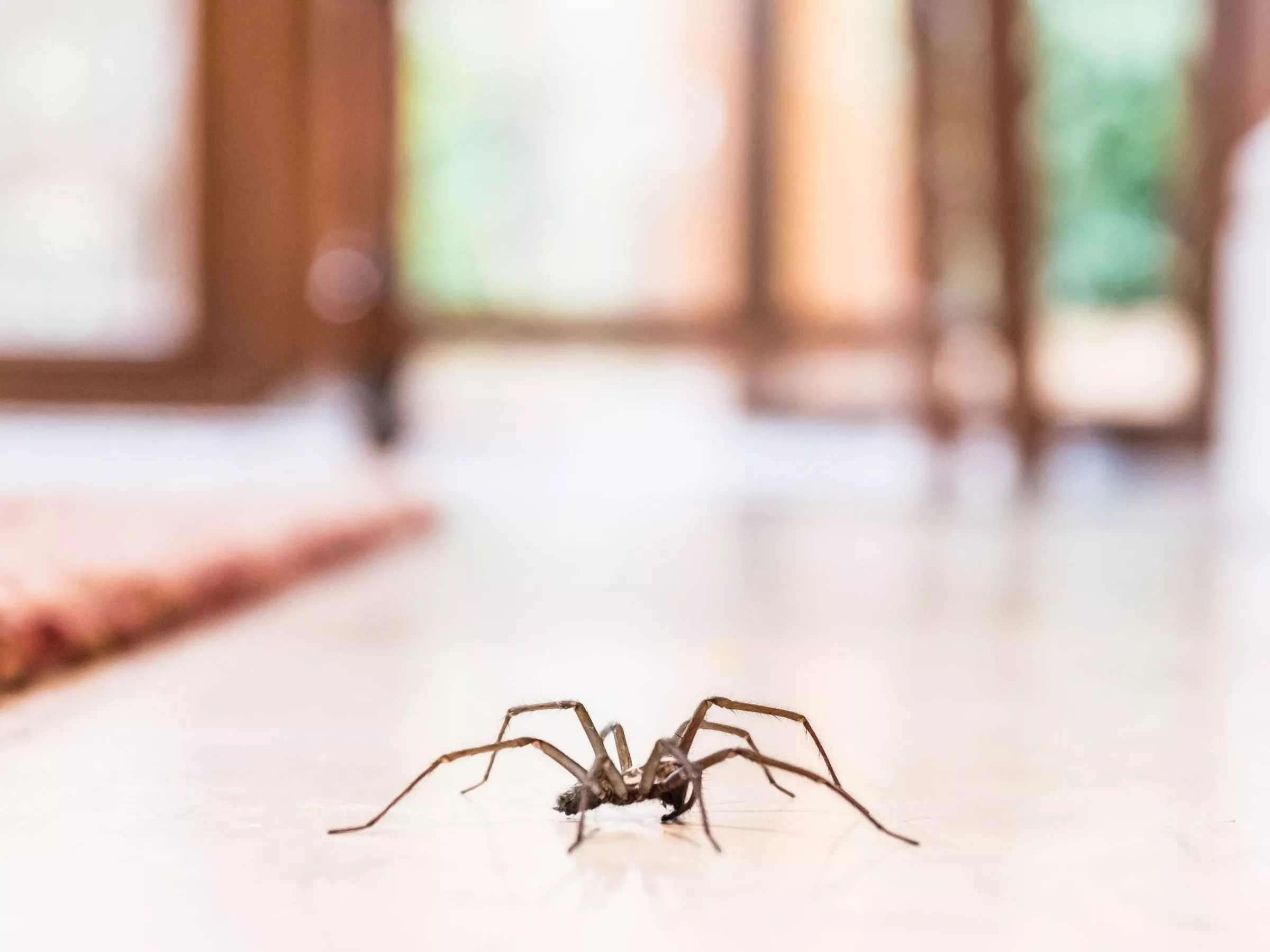
Few things can interrupt a relaxing bedtime quite like spotting a spider on the bedroom wall. While most spiders found in UK homes are harmless and can actually help by eating other insects, that does not necessarily mean you want them sharing your bedroom.
Spiders can enter homes through gaps around windows, doors and other openings, while clutter, insects and undisturbed corners can provide attractive places for them to hide. Fortunately, a few simple changes can make your bedroom less appealing to unwanted eight-legged visitors.
From keeping windows and entry points well maintained to reducing clutter and regularly cleaning around your bed, here are some practical ways to help keep spiders out of your bedroom.
Why Do Spiders Come Into Bedrooms?
Spiders do not usually enter bedrooms because they specifically want to be near people. They are generally looking for shelter, suitable conditions and, importantly, access to food.
A bedroom can provide plenty of quiet hiding places, particularly behind furniture, underneath beds, around window frames and in less frequently disturbed corners. If other small insects are present, the room can also provide a potential food source.
1. Keep Windows and Doors Well Sealed
Windows and external doors are common entry points for insects and spiders. Check for obvious gaps around frames, damaged seals and spaces underneath doors.
If your bedroom window is regularly left open, consider fitting a suitable insect screen. This allows fresh air into the room while creating a physical barrier against many flying and crawling insects.
Also check that window frames and surrounding areas are kept clean and in good condition. Small maintenance jobs can make a noticeable difference when it comes to reducing unwanted visitors.
2. Reduce Clutter Around the Bed
Spiders prefer places where they can remain undisturbed. Piles of clothes, boxes, bags and other stored items can create additional hiding places.
Keeping the area around your bed reasonably clear makes it easier to clean and inspect. It also means there are fewer sheltered corners for spiders and their prey to occupy.
This does not mean your bedroom needs to be perfectly tidy at all times. Simply avoiding long-term piles of clutter and regularly moving items when cleaning can help.
3. Clean Around Your Mattress
Regular cleaning helps remove dust, cobwebs and small insects that may otherwise provide a more attractive environment for spiders.
Vacuum around the bed, skirting boards, corners and underneath furniture as part of your normal bedroom cleaning routine. Pay attention to areas that are easy to overlook, such as behind the headboard or underneath the bed.
Your mattress itself should also be cared for according to the manufacturer's recommendations. Avoid soaking or using household insecticides directly on a mattress unless the product is specifically approved for that use.
Don't Spray Your Mattress
A mattress is a surface you sleep directly on, so household insect sprays are not a sensible general solution for dealing with spiders. Focus on cleaning, reducing entry points and addressing the areas where spiders are actually entering or hiding.
4. Remove Cobwebs Regularly
Regularly removing visible webs can help you identify areas where spiders are becoming established. Check corners of ceilings, behind furniture, around windows and other quiet areas.
If you repeatedly find webs in exactly the same area, look for the reason. There may be a gap providing access from outside, a sheltered space that is rarely disturbed or an accumulation of other insects providing food.
5. Reduce Other Insects
Spiders need food, and many of the insects they catch can be attracted to light, food residue, moisture or open windows.
Keep food and drinks out of the bedroom where possible, clean up crumbs promptly and avoid leaving unnecessary lights on near an open window at night. Good general housekeeping can reduce the number of insects available as prey.
If you have a persistent insect problem as well as spiders, identifying and addressing that underlying issue may be more effective than concentrating on the spiders themselves.
6. Keep the Bedroom Dry and Well Ventilated
Good ventilation is an important part of maintaining a comfortable bedroom. Opening windows when appropriate and allowing damp areas to dry can help create a healthier indoor environment.
This is also useful for your mattress and bedding. Excess moisture can contribute to unpleasant odours and other problems, so allow bedding to air when appropriate and follow the care instructions for your mattress.
For more information on looking after your mattress, take a look at our mattress care advice.
7. Check Under the Bed
The space underneath a bed can be one of the least disturbed areas in a bedroom. Storage boxes, shoes, clothing and general clutter can create plenty of hiding places for spiders.
Try to keep the area underneath your bed reasonably organised and vacuum it regularly. If you use under-bed storage, choose containers that can be easily moved and cleaned rather than allowing loose items to accumulate.
8. Consider an Insect Screen
If you enjoy sleeping with the window open, an insect screen can be one of the simplest ways to reduce the number of insects entering the bedroom.
Screens are particularly useful during warmer weather when windows are more likely to remain open for ventilation. They can help reduce access for flying insects, which may in turn reduce the food available to spiders.
Do Spiders Get Into Your Bed?
It is possible for a spider to end up on a bed, but your mattress is not normally a spider's preferred destination. Spiders generally seek sheltered areas where they can remain undisturbed and find prey.
If you regularly find spiders on or around your bed, look at the surrounding environment rather than assuming that the mattress itself is attracting them. Check behind the headboard, underneath the bed, around windows and along skirting boards.
Keeping your bedding and mattress clean is still important, but there is no need to use insecticide products on your mattress simply because you have seen a spider nearby.
Natural Spider Repellents: Do They Work?
You will find plenty of advice online recommending essential oils, conkers, citrus peels and other household items as spider repellents. Some strong scents may affect spider behaviour in certain circumstances, but evidence for many popular home remedies is limited.
If you want to reduce spiders in your bedroom, physical prevention is generally the more dependable approach. Seal obvious gaps, use suitable window screens, reduce clutter and clean regularly rather than relying on a scented spray or household object.
Should You Kill Spiders?
Most spiders encountered in UK homes are not considered dangerous to people and can help control other insects. If you would rather not have one in your bedroom, a simple approach is to carefully catch it in a container and release it outside where appropriate.
Make Your Bedroom Less Attractive to Spiders
There is no need to make your bedroom completely sterile to discourage spiders. A few regular habits can make the room less appealing:
- Keep windows and doors in good condition and seal obvious gaps.
- Consider insect screens for frequently opened windows.
- Vacuum around skirting boards, corners and underneath the bed.
- Remove cobwebs when you spot them.
- Reduce unnecessary clutter around and underneath your bed.
- Keep food and drinks out of the bedroom where possible.
- Maintain good ventilation and avoid unnecessary dampness.
- Address persistent insect problems that may provide a food source.
A Cleaner Bedroom Can Also Support Better Sleep
Keeping spiders out is only one reason to maintain a clean and organised bedroom. A comfortable, uncluttered sleeping environment can make it easier to relax at bedtime and keep your mattress and bedding in good condition.
Your mattress is one of the most important parts of that environment. Regular care, appropriate bedding and choosing a mattress that suits your sleeping position can all contribute to a more comfortable night's sleep.
If you're considering a new mattress, our mattress size guide can help you choose the right dimensions for your bedroom.
A comfortable bedroom is about more than what you put on the bed. Keeping the whole space clean, calm and well maintained can make bedtime feel that little bit better.
Frequently Asked Questions
Why do I keep finding spiders in my bedroom?
Spiders may be entering through gaps around windows, doors or other openings, or they may already be hiding in quiet areas of the room. If there are plenty of other insects available as food, the bedroom may also become more attractive to them.
How do I stop spiders coming through my windows?
Check the window frame for gaps and damaged seals, and consider fitting a suitable insect screen if you regularly sleep with the window open. Keeping the surrounding area clean can also help.
Do spiders hide in mattresses?
Spiders generally prefer sheltered spaces such as corners, gaps, behind furniture and other undisturbed areas. If you find one on your bed, check the surrounding bedroom rather than assuming that the mattress is attracting spiders.
Does keeping my bedroom clean get rid of spiders?
Regular cleaning can reduce cobwebs, hiding places and the insects that spiders feed on. However, cleaning alone cannot guarantee that spiders will never enter a room.
What is the best natural way to keep spiders away?
Rather than relying on unproven natural repellents, focus on practical prevention. Seal gaps, use insect screens, reduce clutter, remove webs and keep the bedroom clean and well maintained.
Are spiders dangerous in the UK?
Most spiders commonly found in UK homes are not considered dangerous to people. If you are concerned about a particular spider or have experienced an unusual reaction after contact or a bite, seek appropriate professional or medical advice.
The Bed Post
Sleep well. Wake well. Live well.